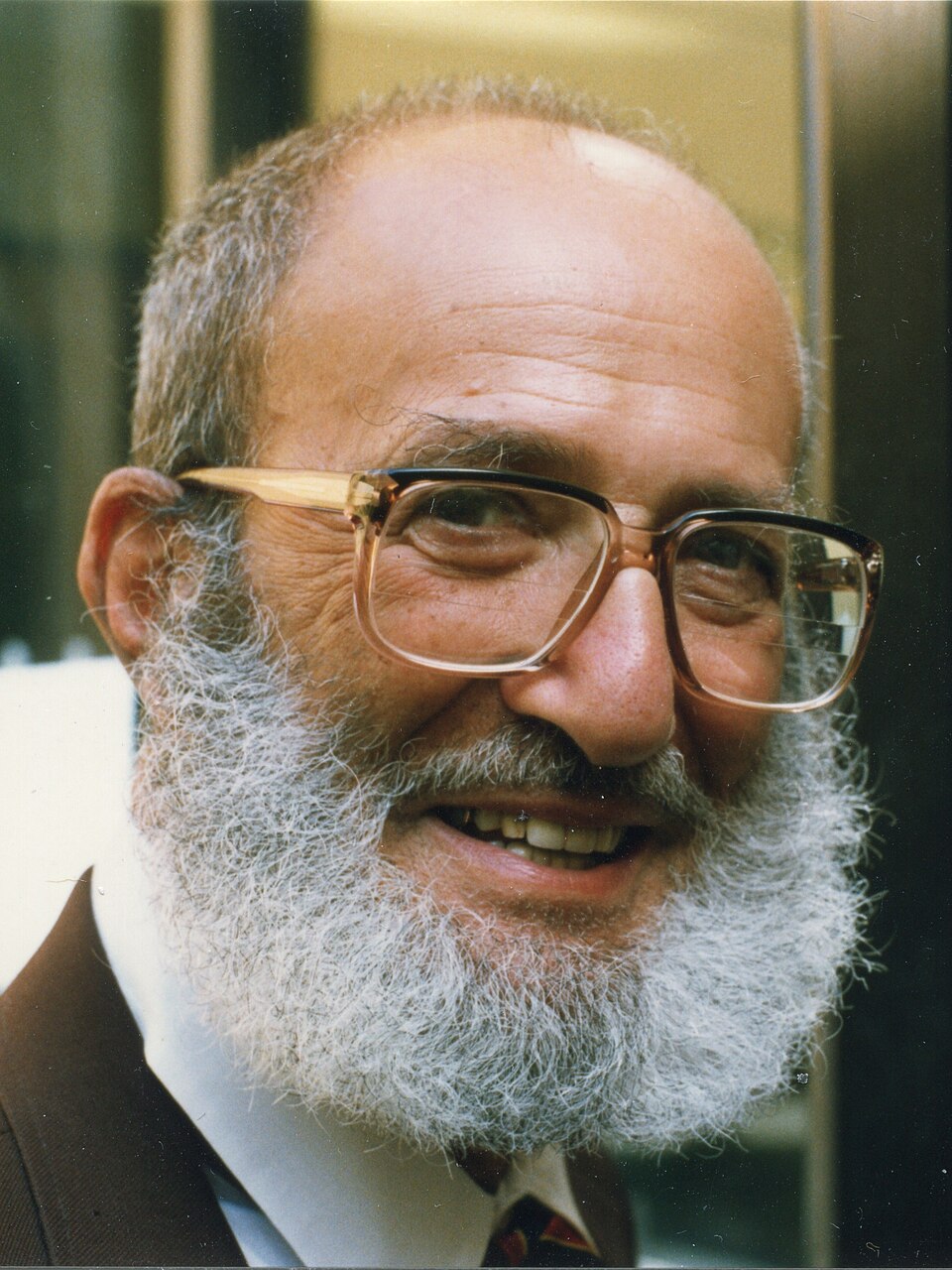
I had a professor in grad school who sometimes threw erasers at students. Paul Halmos was from that generation of reluctant Hungarian emigres who made big contributions to science and computing in the US during and after World War II (and, yes, atomic weapons – although Halmos didn’t work on the Manhattan project as far as I know). I was lucky to have taken classes with him late in his career.
Besides affectionately pelting students with erasers, Halmos had another, more endearing, habit. He would write a theorem on the board and then turn to the class and say, “How do we prove this? I have no idea! Let’s get started!” Of course he knew the proof, but by saying “I have no idea”, he got everyone’s attention and turned us from passive scribblers to active participants.
If you’re shipping AI products, you don’t have time for weeks or months of discovery, PRDs, and “planning.” But make sure your team is aligned and that you’ve heard from the smartest people in your org before you commit and go. One meeting or an async thread lasting a day or two can keep you from wasting time on a bad idea.
- “I don’t know” starts a discussion and opens the floor for other perspectives.
- “I don’t know” welcomes dissent and defeats a culture of fear (of disagreeing with leaders).
- “I don’t know” enlarges the solution space. There might be a much better that’s adjacent to yours.
- “I don’t know” creates space for the quiet, intelligent people in the room to contribute. You might hear a key new insight that unlocks a breakthrough for the project.
Photo of Paul Halmos by George Bergman from Wikipedia


 Martin Remy

Leave a reply to Martin Remy Cancel reply